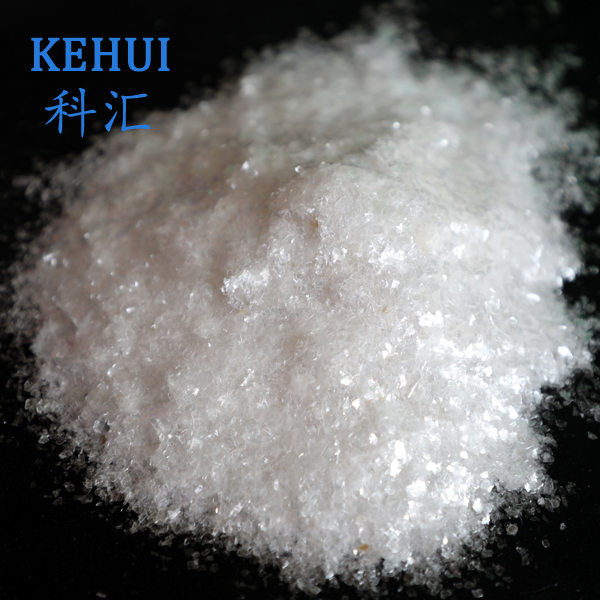
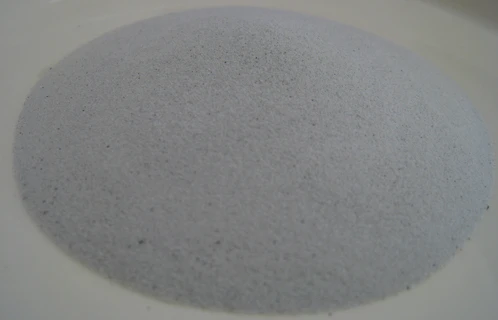
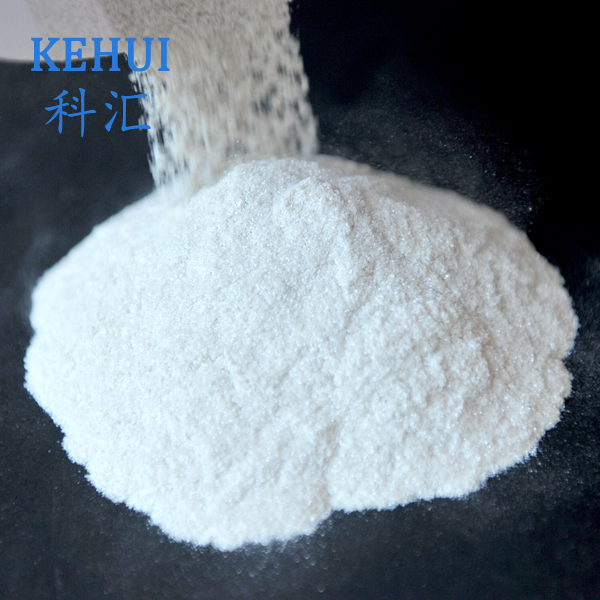
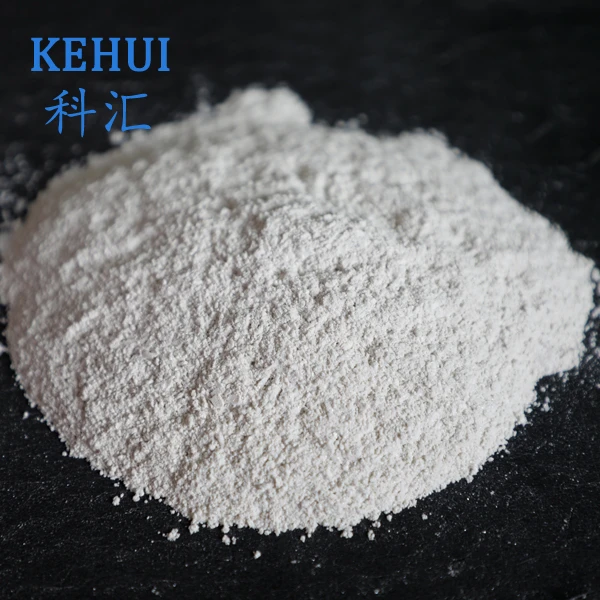

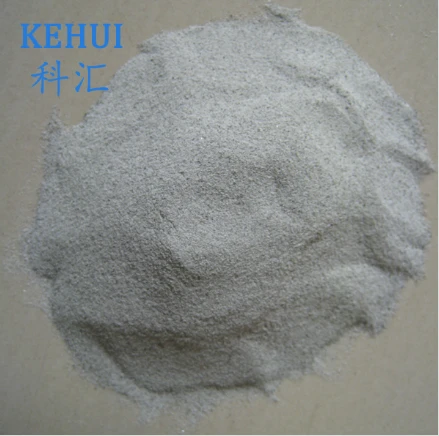
horticultural coarse perlite
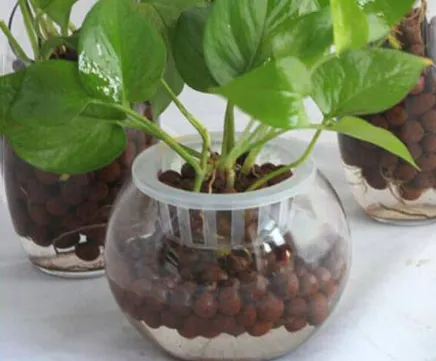
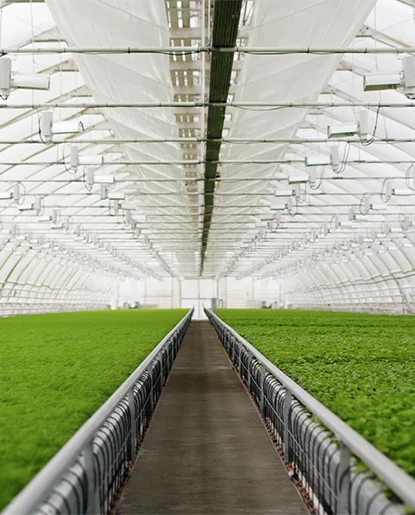
Understanding Horticultural Coarse Perlite : A Comprehensive Guide for B2B Applications In the evolving landscape of modern horticulture and agriculture, the selection of optimal growing media is paramount for achieving superior crop yields and operational efficiency. Among the myriad options, Horticultural Coarse Perlite stands out as a highly effective and versatile substrate additive. Known for its inert nature, exceptional porosity, and lightweight characteristics, this expanded volcanic glass is an indispensable component in advanced cultivation systems, ranging from large-scale hydroponic farms to specialized nursery operations. Its unique physical properties contribute significantly to improved aeration, drainage, and nutrient delivery within the root zone, addressing critical challenges faced by commercial growers globally. As a leading Perlite Horticultural Media , its adoption is driven by a desire for enhanced plant vigor, disease reduction, and resource optimization. This document delves into the technical specifications, manufacturing processes, diverse applications, and inherent advantages of Horticultural Coarse Perlite , offering a B2B perspective for decision-makers and technical professionals seeking to integrate this superior material into their operations. Manufacturing Process of Horticultural Coarse Perlite The production of Horticultural Coarse Perlite involves a meticulously controlled thermal expansion process that transforms raw perlite ore into its lightweight, highly porous form. The inherent properties of the volcanic glass, specifically its high water content, are crucial to this transformation. Process Flow: 1. Mining & Crushing: Raw perlite ore, a naturally occurring volcanic glass, is quarried and then crushed into various sizes. For coarse perlite, larger aggregate sizes are targeted. 2. Screening & Classification: The crushed ore is precisely screened to remove impurities and classify it into specific particle size ranges, ensuring consistent granule size for the final product. This step is critical for achieving the desired coarse grade. 3. Pre-heating: The classified perlite ore is gradually heated to remove surface moisture, preparing it for the rapid expansion phase. 4. Expansion (Furnace Treatment): The pre-heated ore is rapidly introduced into a high-temperature furnace, typically operating between 850°C and 1100°C (1562°F – 2012°F). The inherent water within the perlite turns into steam, causing the material to expand up to 20 times its original volume. This process creates countless microscopic air cells within the material, giving it its characteristic lightweight and porous structure. 5. Cooling & Collection: The expanded perlite, now ultra-light and highly porous, is rapidly cooled and collected. 6. Post-processing & Quality Control: The expanded Perlite Horticultural Media undergoes further screening to ensure uniformity in particle size and to remove any fines. Strict quality control measures, including bulk density, pH, and particle size distribution tests, are conducted in accordance with industry standards (e.g., ASTM C549 for expanded perlite) to ensure consistent performance. This precise manufacturing ensures that each batch of Horticultural Coarse Perlite meets the stringent requirements for professional horticultural applications, offering consistent product quality and reliable performance. Technical Specifications & Parameters The efficacy of Horticultural Coarse Perlite is quantified by its specific technical parameters. These specifications are critical for B2B buyers to ensure the material aligns with their cultivation strategies and system requirements. Key Product Specifications: Parameter Specification (Coarse Grade) Benefit for Horticulture Particle Size Distribution 1.5 mm - 6.0 mm (varies by specific grade) Ensures excellent drainage and macro-porosity, preventing root rot. Bulk Density 90 - 150 kg/m³ (5.6 - 9.4 lb/ft³) Extremely lightweight, reducing structural load in rooftop gardens and large container111s. pH Range 6.5 - 7.5 (Neutral) Chemically inert and pH neutral, minimizing nutrient lockout and suitable for diverse plant species. Water Holding Capacity (WHC) ~200-400% by weight Retains moisture effectively without becoming waterlogged, releasing it as needed. Air-Filled Porosity (AFP) ~50-60% Provides excellent root zone aeration, crucial for robust root development and nutrient uptake. Cation Exchange Capacity (CEC) Negligible Does not absorb or release nutrients, allowing precise control over nutrient solutions. Sterility Naturally sterile (due to high heat expansion) Reduces risk of soil-borne diseases and pests. These parameters underscore why Horticultural Coarse Perlite is a preferred choice for professional growers. Its ability to maintain structural integrity, provide consistent aeration, and remain chemically inert ensures a stable and predictable growing environment. Industry Trends and Application Scenarios The horticultural industry is experiencing significant shifts, driven by demands for sustainable practices, increased yields in controlled environments, and efficiency in resource utilization. Horticultural Coarse Perlite is at the forefront of these trends due to its unique capabilities. Key Industry Trends: Hydroponics and Soilless Cultivation: The growing global emphasis on hydroponic and aeroponic systems for food production directly boosts the demand for inert, high-performance media like Perlite Horticultural Media . Urban Agriculture and Rooftop Farming: The lightweight nature of perlite is crucial for structural considerations in urban environments, facilitating sustainable food production in limited spaces. Resource Efficiency: Perlite's ability to improve water retention while ensuring excellent drainage contributes to water-saving strategies, a critical factor in arid regions. Sustainable Growing Practices: As a natural, non-toxic, and reusable material, perlite aligns with eco-friendly cultivation goals. Typical Application Scenarios: Seed Starting and Cuttings: Its sterile and porous nature provides an ideal environment for delicate seedlings and rooting cuttings, promoting rapid and healthy development. Hydroponic Substrates: Utilized as a standalone medium or mixed with coco coir/rockwool, Horticultural Coarse Perlite supports a wide range of hydroponic crops, from leafy greens to fruiting vegetables, by providing consistent oxygenation to the root zone. Container Planting & Potting Mixes: Incorporated into potting mixes, it significantly improves drainage and aeration, preventing compaction and fostering robust root systems in nursery stock and ornamental plants. Green Roofs and Vertical Gardens: Its lightweight characteristic is invaluable for extensive and intensive green roof systems, reducing the load on structures while providing an effective growing medium. Soil Amendment: For heavy clay soils, perlite improves soil structure, enhancing aeration and drainage. In sandy soils, it increases water retention. Technical Advantages of Horticultural Coarse Perlite The adoption of Horticultural Coarse Perlite is driven by a distinct set of technical advantages that directly impact plant health, resource management, and overall operational efficiency. Superior Aeration & Drainage: The highly porous, irregular structure of coarse perlite creates significant air pockets within the growing media. This macro-porosity ensures excellent oxygen supply to plant roots, crucial for respiration and preventing anaerobic conditions that lead to root rot. Simultaneously, it facilitates rapid drainage, preventing waterlogging. Optimized Water Retention: Despite its excellent drainage, Perlite Horticultural Media possesses an impressive internal surface area capable of holding substantial amounts of water (typically 3-4 times its weight). This water is available to the plants without saturating the root zone, reducing watering frequency and water consumption. Lightweight Nature: The extremely low bulk density of expanded perlite (typically 1/10th of soil weight) significantly reduces the weight of planting container111s, grow bags, and extensive green roof systems. This translates to lower shipping costs, easier handling, and reduced structural stress on buildings. pH Neutral and Chemically Inert: Perlite has a near-neutral pH (6.5-7.5) and does not react with fertilizers or nutrient solutions. This inertness provides growers with precise control over the nutrient environment, preventing unwanted chemical interactions or pH fluctuations that can stress plants. Sterile & Disease Resistant: The high-temperature expansion process renders perlite naturally sterile, free from weeds, diseases, and pests. This contributes to a cleaner growing environment and reduces the need for chemical treatments. Long-lasting & Reusable: Perlite maintains its physical structure over long periods, resisting decomposition. It can be sterilized and reused in certain applications, enhancing its economic and environmental sustainability. Thermal Insulation: The trapped air cells also provide a degree of thermal insulation, helping to buffer root zone temperatures against extreme fluctuations, which can be beneficial in both hot and cold climates. These advantages collectively position Horticultural Coarse Perlite as a critical component for sophisticated horticultural operations seeking consistent quality and improved yields. Vendor Comparison and Customization Selecting the right supplier for Horticultural Coarse Perlite is crucial for ensuring product consistency, reliable supply, and tailored solutions. Vendor comparison should extend beyond mere price to encompass quality, technical support, and customization capabilities. Key Factors in Vendor Comparison: Factor Description Our Commitment Product Quality & Consistency Adherence to strict particle size, bulk density, and pH specifications. Certifications (e.g., ISO 9001). ISO 9001 certified production, rigorous QC for every batch of Perlite Horticultural Media . Supply Chain Reliability Ability to meet large orders and ensure timely delivery, especially for seasonal demands. Robust logistics network, global distribution capabilities, and strategic warehousing. Technical Support Expert advice on application, blending ratios, and troubleshooting specific horticultural challenges. Dedicated team of horticultural experts available for consultation and guidance. Customization Options Ability to produce specific particle sizes, blends, or packaging to meet unique project requirements. Flexible production for custom particle sizes, pre-blended mixes, and private label packaging. Pricing & Value Competitive pricing balanced with consistent quality and service. Transparent pricing models and long-term value propositions for B2B partners. Customized Solutions for Specialized Needs: Recognizing that every horticultural operation has unique requirements, we offer extensive customization options for Horticultural Coarse Perlite . This includes: Tailored Particle Size Distribution: We can produce perlite with a specific particle size range to optimize air-filled porosity and water retention for particular crops or growing systems (e.g., finer grades for seed starting, coarser for deep-water culture). Pre-blended Mixes: For operations requiring specific media compositions, we can provide customized blends of perlite with other components such as coco coir, peat, or vermiculite, delivered ready-to-use. Packaging Solutions: From bulk bags (totes) to customized retail-ready packaging with private labeling, we accommodate various logistical and marketing needs. Logistics and Delivery Schedules: We work with clients to establish optimized delivery schedules, ensuring a consistent supply that matches their operational rhythm and minimizes storage requirements. Our approach is built on a foundation of partnership, providing not just a product, but a comprehensive solution designed to enhance your horticultural success. Application Case Studies The practical benefits of Horticultural Coarse Perlite are best illustrated through real-world applications where it has significantly contributed to operational improvements and yield increases. Case Study 1: Large-Scale Hydroponic Lettuce Farm Challenge: A major hydroponic lettuce producer faced issues with root disease and inconsistent growth due to suboptimal aeration in their previous substrate, leading to reduced yields and increased input costs. Solution: The farm transitioned to a customized blend of Perlite Horticultural Media (70%) and coco coir (30%) in their NFT (Nutrient Film Technique) system. The coarse perlite ensured superior air-filled porosity. Results: Within three months, the farm reported a 15% increase in marketable lettuce yield, a 20% reduction in root disease incidence, and a notable improvement in overall plant vigor and uniformity. The inert nature of perlite also allowed for precise control of nutrient delivery, optimizing crop nutrition. Case Study 2: Commercial Nursery for Ornamental Plants Challenge: A large ornamental plant nursery experienced compaction in their traditional peat-based potting mixes, leading to poor drainage, slowed growth, and increased plant mortality, particularly in large container111s. Solution: The nursery integrated Horticultural Coarse Perlite as a 25% amendment to their standard potting mix. The coarse grade prevented compaction and significantly enhanced drainage. Results: Over a single growing season, plant losses due to root issues decreased by 10%. The enhanced aeration and drainage promoted stronger root systems, leading to more robust plants and a 5% reduction in watering frequency, saving significant labor and water resources. Feedback from their clients indicated improved plant establishment post-purchase. These cases exemplify how Horticultural Coarse Perlite contributes to both the technical performance and economic viability of commercial horticultural operations. Frequently Asked Questions (FAQ) Q1: Is Horticultural Coarse Perlite sustainable and environmentally friendly? A1: Yes, perlite is a naturally occurring mineral. The expansion process uses energy, but the resulting product is inert, non-toxic, and can be reused in many applications, reducing waste. Its use also promotes efficient water use, contributing to environmental sustainability. Q2: What is the typical service life of Perlite Horticultural Media ? A2: Unlike organic media, perlite does not decompose. Its physical structure remains stable for many years. In commercial applications, it can be used for multiple grow cycles, often lasting several years, depending on the system and cleaning protocols. Q3: How does the "coarse" grade differ from finer grades of perlite? A3: The "coarse" grade features larger particle sizes, which translates to higher air-filled porosity and faster drainage. Finer grades offer greater water retention due to increased surface area, but may reduce aeration. The choice depends on the specific crop's needs and the irrigation system employed. Q4: Can Horticultural Coarse Perlite be used for organic certification? A4: Perlite itself is a natural mineral and is generally permitted in organic growing. However, it's crucial to check with your specific organic certifying body, as regulations can vary. Our Perlite Horticultural Media is untreated and free of synthetic additives. Lead Time, Warranty, and Customer Support We understand the critical importance of reliable logistics, comprehensive warranties, and responsive customer support for our B2B partners. Lead Time & Fulfillment: Standard orders for Horticultural Coarse Perlite are typically processed and shipped within 7-14 business days, depending on order volume and destination. For large-scale projects or custom orders, we provide a detailed production and delivery schedule upfront. Our robust logistics network ensures efficient global distribution. Warranty Commitments: We guarantee that our Perlite Horticultural Media products meet or exceed the published technical specifications. Any material found not to conform to these specifications upon delivery will be replaced or refunded. Our commitment to ISO 9001 standards underpins this quality assurance. Customer Support: Our dedicated B2B support team is available from 8 AM to 5 PM (GMT+8), Monday to Friday, to assist with technical queries, order tracking, and custom solution development. We offer multi-channel support including phone, email, and dedicated account managers to ensure timely and effective communication. Our goal is to foster long-term partnerships by providing not only a superior product but also unparalleled service and support throughout your operational lifecycle. References [1] Cornell University. "Growing Media for Container Production in a Greenhouse." Cornell University Cooperative Extension. [2] ASTM International. "Standard Specification for Vermiculite Loose Fill Thermal Insulation." ASTM C549. [3] University of Florida IFAS Extension. "Perlite in Horticultural Substrates." [4] The Perlite Institute. "Perlite in Horticulture." [5] Journal of Agricultural and Food Chemistry. "Effect of growing media on nutrient availability and plant growth."
-
0 YearEstablished in 1997
-
0Celia Mica Produced
-
0 ㎡Factory Floor Area
APPLICATION
-

-
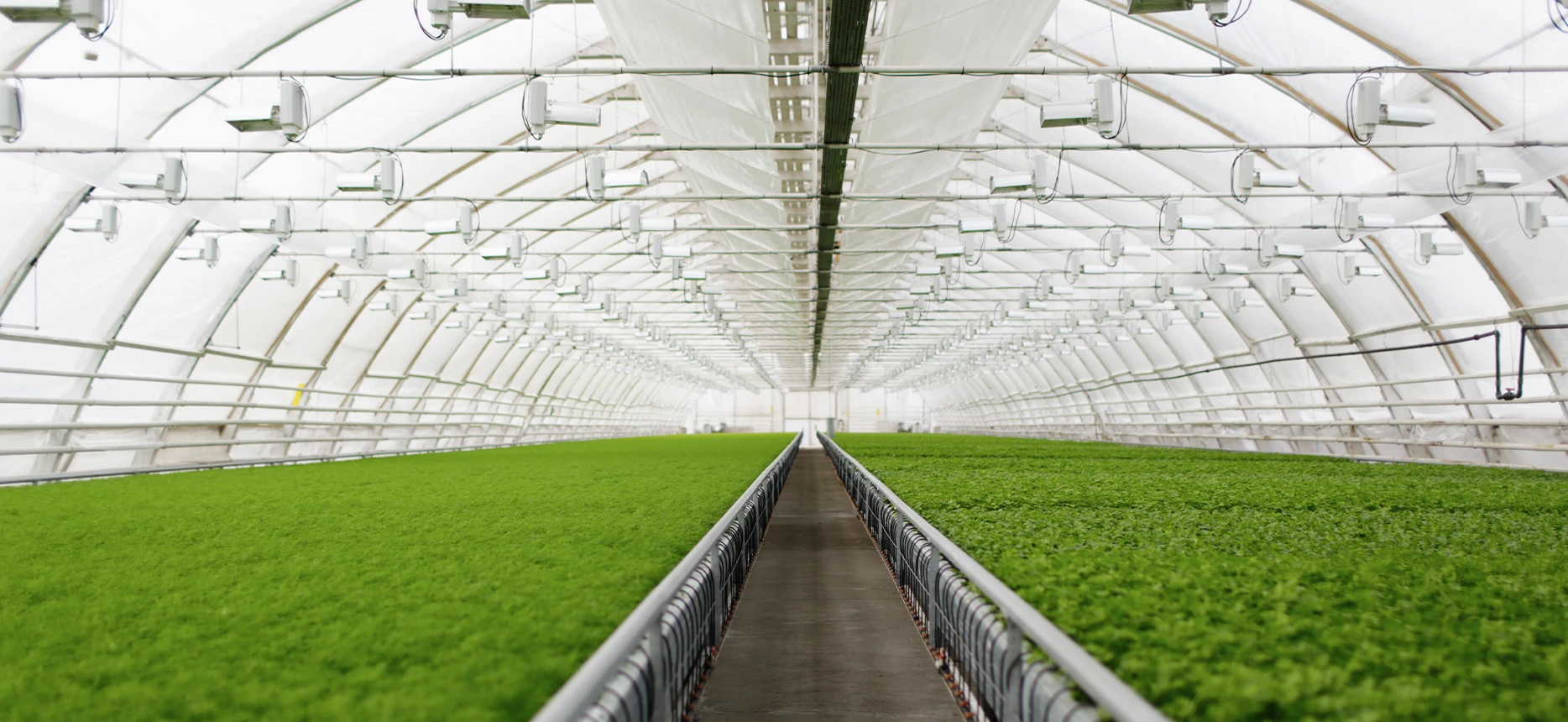
ApplicationHydroponics GardeningGrowing Mediums Gardening &Horticulture Hydroponics&Aquaponics Agricultur al&Greenhouse
-

-
ApplicationHydroponics GardeningGrowing Mediums Gardening &Horticulture Hydroponics&Aquaponics Agricultur al&Greenhouse
 Industrial
Minerals
Industrial
Minerals
 Hydroponics
Gardening
Hydroponics
Gardening